




World Environment Day Essay | A Global Call to Action for Environmental Conservation
World Environment Day is celebrated annually on June 5th to raise awareness and encourage worldwide action for environmental protection. This essay delves into the significance of World Environment Day, explores its history, and highlights the pressing environmental challenges we face today. We also discuss the importance of individual and collective efforts in conserving the environment and offer actionable steps to make a positive impact. Join us in exploring the importance of World Environment Day and how we can contribute to creating a sustainable and thriving planet for future generations.

The Significance of World Environment Day:

The History of World Environment Day:
The history of World Environment Day dates back to 1972 when it was established by the United Nations. The event was created to raise global awareness and encourage action for environmental conservation. Since then, it has grown into a significant annual event celebrated in over 100 countries. World Environment Day aims to engage individuals, communities, and governments in addressing pressing environmental issues and promoting sustainable practices. Each year, a specific theme is chosen to focus attention on a particular environmental concern. The history of World Environment Day reflects its evolution as a powerful platform to inspire change, drive environmental action, and foster collaboration in safeguarding our planet for future generations.

Current Environmental Challenges:

Theme and Focus of World Environment Day:
The theme and focus of World Environment Day vary each year, addressing specific environmental issues and mobilizing action on a global scale. The chosen theme sets the tone for discussions, campaigns, and initiatives aimed at raising awareness and driving positive change. Themes may focus on critical topics such as climate change, biodiversity conservation, sustainable consumption, plastic pollution, or forest protection. By highlighting these pressing environmental issues, World Environment Day aims to inspire individuals, communities, and governments to take meaningful actions, adopt sustainable practices, and advocate for policy changes. The theme serves as a call to action, fostering a collective commitment to environmental conservation and encouraging widespread engagement in creating a more sustainable and resilient planet.

Individual Actions for Environmental Conservation:
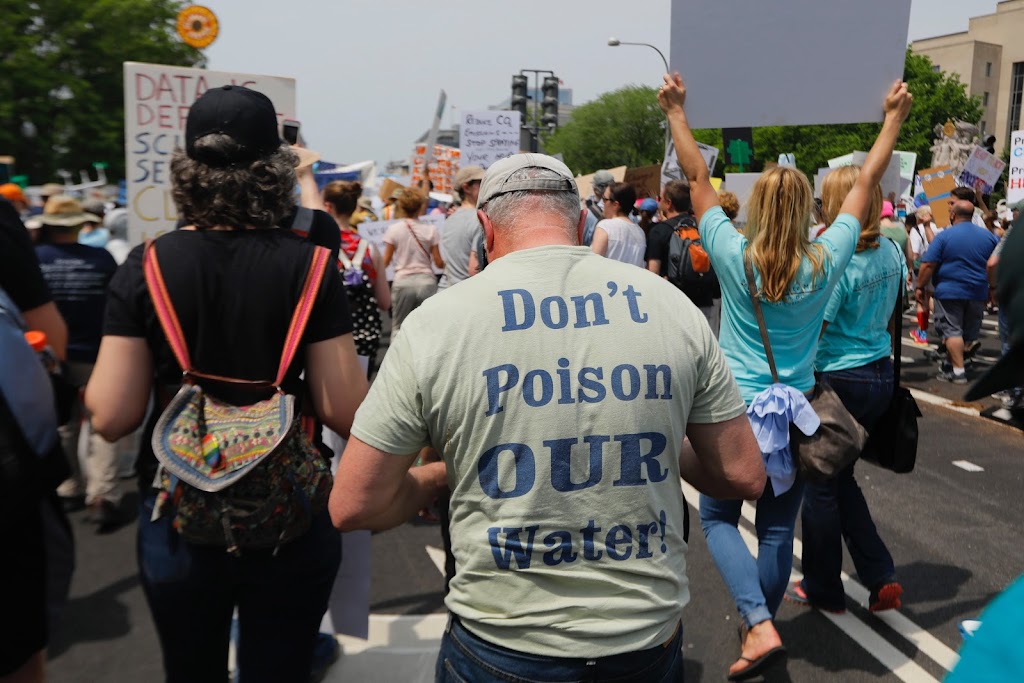
Individual actions play a crucial role in environmental conservation and creating a sustainable future. By adopting eco-friendly habits and making conscious choices in our daily lives, we can make a significant impact on the environment. Simple actions such as conserving water, reducing energy consumption, practicing responsible waste management, and opting for sustainable transportation contribute to resource conservation and reduction of carbon emissions. Additionally, supporting local and sustainable businesses, embracing eco-friendly products, and advocating for environmental causes amplify the collective effort towards conservation. By taking individual actions, we can inspire others, raise awareness, and contribute to a greener and more sustainable world for future generations.
Community and Collective Efforts:

Role of Education and Awareness:
The role of education and awareness in environmental conservation is crucial in promoting understanding, empowering individuals, and fostering a sense of responsibility towards the environment. Education plays a vital role in creating awareness about environmental issues, their causes, and potential solutions. It equips individuals with the knowledge and tools to make informed decisions and take sustainable actions. By raising environmental consciousness through formal education, workshops, campaigns, and awareness programs, we can inspire individuals to adopt eco-friendly habits, conserve resources, and support environmental initiatives. Additionally, education helps cultivate a deeper connection and appreciation for nature, encouraging people to become proactive stewards of the environment. By promoting environmental education and awareness, we can nurture a generation of environmentally conscious individuals who will drive positive change and contribute to a sustainable future.

Innovative Solutions and Technologies:
Innovative solutions and technologies play a crucial role in addressing environmental challenges and creating a sustainable future. These advancements provide practical and efficient ways to mitigate the impacts of climate change, reduce resource consumption, and promote environmental stewardship. From renewable energy sources like solar and wind power to smart grid systems that optimize energy usage, innovative solutions are transforming the way we generate and consume energy. Additionally, green building technologies, such as energy-efficient materials and designs, contribute to reducing carbon emissions and promoting sustainable infrastructure. Circular economy models that prioritize recycling, upcycling, and waste reduction are gaining traction, promoting a more sustainable and resource-efficient approach to production and consumption. Furthermore, advancements in transportation, such as electric vehicles and sustainable mobility solutions, are reducing reliance on fossil fuels and improving air quality. Embracing these innovative solutions and technologies is vital in driving the transition to a sustainable future, where environmental protection and economic growth go hand in hand.

Policy Changes and Government Initiatives:
Policy changes and government initiatives are critical in addressing environmental issues and promoting sustainability. Governments play a key role in setting regulations, enforcing environmental standards, and implementing measures to protect the environment. These policy changes can range from implementing stricter emissions controls, promoting renewable energy sources, enacting laws to reduce pollution and waste, and supporting sustainable development practices. Government initiatives include funding research and development of green technologies, providing incentives for eco-friendly practices, and collaborating with international organizations to tackle global environmental challenges. By enacting effective policies and initiatives, governments can create a conducive environment for individuals, businesses, and communities to adopt sustainable practices and contribute to a healthier and more sustainable planet.

Collaborative Partnerships:
Collaborative partnerships play a pivotal role in driving environmental conservation efforts and achieving sustainable outcomes. These partnerships involve the collaboration between governments, NGOs, businesses, and communities to address environmental challenges collectively. By pooling together resources, expertise, and networks, collaborative partnerships leverage the collective power and knowledge of different stakeholders to create a more significant and lasting impact. They enable the sharing of best practices, innovative solutions, and lessons learned, fostering mutual learning and accelerating progress towards environmental sustainability. Collaborative partnerships also facilitate the coordination of efforts, streamline decision-making processes, and ensure that diverse perspectives are taken into account. By working together, these partnerships can effectively address complex environmental issues, implement sustainable initiatives, advocate for policy changes, and inspire positive change at local, national, and global levels.

Conclusion:
World Environment Day serves as a reminder of our collective responsibility to protect and preserve the environment. By understanding the importance of this global event and taking individual and collective actions, we can contribute to a sustainable future. Let us harness the power of World Environment Day to inspire change, raise awareness, and work towards creating a world where nature thrives, ecosystems are protected, and future generations can enjoy a healthy and vibrant planet.

FAQ ( Frequently Asked Questions )
Question 1 :- How do collaborative partnerships contribute to environmental conservation?
Answer :- Some successful examples of collaborative partnerships in environmental sustainability include the collaboration between governments and NGOs to protect and manage national parks, the partnership between businesses and environmental organizations to promote sustainable supply chains, and the cooperation between academic institutions and communities to implement renewable energy projects. These partnerships demonstrate the power of collective action and the ability to achieve significant environmental impact by working together towards common goals.
Question 3 :- How can collaborative partnerships between governments and businesses drive sustainable development?
Answer :- Collaborative partnerships between governments and businesses are instrumental in driving sustainable development by leveraging their combined resources, expertise, and influence. These partnerships enable governments to establish supportive policies, regulations, and incentives, while businesses contribute with innovative technologies, investments, and sustainable practices. By working together, governments and businesses can accelerate the transition towards renewable energy, promote circular economy models, develop sustainable infrastructure, and advance sustainable supply chains. They can also foster knowledge exchange, share best practices, and collectively address environmental challenges, leading to more effective and scalable solutions. Such collaborative partnerships create a conducive environment for sustainable development, where economic growth and environmental stewardship go hand in hand, ensuring a better future for both people and the planet.
Question 4 :- What role do collaborative partnerships play in addressing climate change?
Answer :- Collaborative partnerships play a crucial role in addressing climate change by bringing together diverse stakeholders, such as governments, businesses, NGOs, and communities, to collectively tackle this global issue. These partnerships foster knowledge sharing, resource pooling, and joint action to develop and implement innovative solutions, promote sustainable practices, and advocate for policy changes. By leveraging the expertise, networks, and resources of multiple stakeholders, collaborative partnerships enhance the effectiveness and impact of climate change mitigation and adaptation efforts. They enable coordinated action, facilitate the exchange of best practices, and drive transformative change at local, national, and global scales. Ultimately, collaborative partnerships are instrumental in mobilizing collective action and creating a united front against climate change.
Question 5 :- How do collaborative partnerships foster innovation in environmental solutions?
Answer :- Collaborative partnerships foster innovation in environmental solutions by bringing together diverse expertise, resources, and perspectives. By leveraging the collective knowledge and experience of multiple stakeholders, these partnerships encourage collaboration, knowledge-sharing, and the co-creation of innovative ideas. Through collaborative efforts, different organizations and individuals can combine their unique skills, technologies, and resources to develop novel approaches, technologies, and strategies for addressing environmental challenges. This cross-pollination of ideas and expertise enables the exploration of new solutions, the identification of best practices, and the scaling up of successful innovations. Collaborative partnerships also provide a platform for testing and refining environmental solutions, allowing for continuous learning and improvement. Overall, by fostering collaboration and encouraging innovation, collaborative partnerships play a vital role in driving the development and implementation of effective and sustainable environmental solutions.
Question 6 :- What are the benefits of collaborative partnerships in promoting biodiversity conservation?
Answer :- Collaborative partnerships play a crucial role in promoting biodiversity conservation by bringing together diverse stakeholders, such as governments, NGOs, and local communities. These partnerships enable the pooling of resources, knowledge, and expertise, leading to more effective conservation efforts. They foster the sharing of best practices, innovative approaches, and scientific research, facilitating informed decision-making and targeted actions. Collaborative partnerships also enhance coordination and cooperation among stakeholders, enabling the implementation of comprehensive conservation strategies and the protection of critical habitats. Additionally, these partnerships raise awareness, build public support, and engage communities in biodiversity conservation, fostering a sense of ownership and responsibility. Overall, collaborative partnerships contribute to more robust and sustainable biodiversity conservation outcomes through collective action and shared responsibility.
Question 7 :- How can collaborative partnerships empower local communities in environmental initiatives?
Answer :- Collaborative partnerships empower local communities in environmental initiatives by providing them with the necessary resources, knowledge, and support to take action. Through these partnerships, communities gain access to funding, expertise, and technical assistance, enabling them to implement sustainable projects and initiatives. Collaborative partnerships also create platforms for community engagement, allowing local voices to be heard and influencing decision-making processes. By actively involving communities in environmental initiatives, these partnerships build capacity, foster ownership, and promote long-term sustainability. They empower local communities to become agents of change, driving environmental conservation efforts, and creating positive impacts on their own doorstep
Question 8 :- What are the key challenges faced in establishing and maintaining collaborative partnerships for environmental conservation?
Answer :- Establishing and maintaining collaborative partnerships for environmental conservation faces several key challenges. These include differing priorities and agendas among stakeholders, limited funding and resources, varying levels of commitment and participation, and the complexity of managing diverse perspectives and interests. Additionally, issues related to communication, coordination, and decision-making can arise, along with the need for building trust and ensuring effective leadership. Overcoming these challenges requires strong commitment, effective communication channels, shared goals, mutual understanding, and continuous efforts to foster collaboration and address any potential conflicts or barriers.
Question 9 :- How do collaborative partnerships promote knowledge-sharing and capacity-building in environmental sustainability?
Answer :- Collaborative partnerships promote knowledge-sharing and capacity-building in environmental sustainability by bringing together diverse stakeholders with different expertise and perspectives. Through shared resources, expertise, and experiences, these partnerships foster an exchange of knowledge, best practices, and innovative solutions. By pooling together their collective knowledge and skills, collaborative partnerships can effectively address complex environmental challenges, identify gaps in understanding, and develop strategies for capacity-building. This knowledge-sharing and capacity-building approach enhances the overall effectiveness and impact of environmental sustainability initiatives, enabling stakeholders to make informed decisions, implement evidence-based practices, and drive positive change in the pursuit of a more sustainable future.
Question 10 :- What strategies can be implemented to encourage more collaborative partnerships for global environmental goals?
Answer :- To encourage more collaborative partnerships for global environmental goals, several strategies can be implemented. Firstly, fostering an environment of trust and mutual respect among stakeholders is crucial. Open communication and transparent sharing of information can help build strong partnerships. Secondly, providing incentives and recognition for collaborative efforts can motivate organizations and individuals to participate actively. Thirdly, creating platforms for knowledge exchange and networking, such as conferences and workshops, can facilitate collaboration. Additionally, governments and international organizations can play a vital role in facilitating partnerships by providing financial support, policy frameworks, and technical assistance. Lastly, emphasizing the shared benefits and collective impact that can be achieved through collaboration can inspire stakeholders to join forces and work towards common environmental goals.