



Unlocking the Secrets of Bonsai Tree Pruning: Expert Tips and Techniques
Introduction to Bonsai Trees
Bonsai trees are not just ordinary plants; they are an art form that has been practiced for centuries. Originating from Japan, the art of bonsai involves cultivating small trees that mimic the shape and proportions of full-sized trees. Bonsai trees are known for their intricate designs and ability to create a sense of tranquility and harmony. In this article, we will delve into the secrets of bonsai tree pruning and provide expert tips and techniques to help you master this ancient art.
Understanding the Art of Bonsai Tree Pruning
Pruning is an essential aspect of bonsai tree care. It involves selectively removing branches, leaves, and roots to shape the tree and maintain its health and aesthetic appeal. Pruning not only controls the size and shape of the bonsai tree but also enhances its overall appearance by creating a sense of balance and proportion.
When pruning a bonsai tree, it is important to understand the growth patterns and characteristics of the specific tree species. Different species require different pruning techniques and schedules. Some trees, like pines, require less frequent pruning, while others, like maples, need more regular pruning to maintain their desired shape.
Benefits of Pruning Bonsai Trees
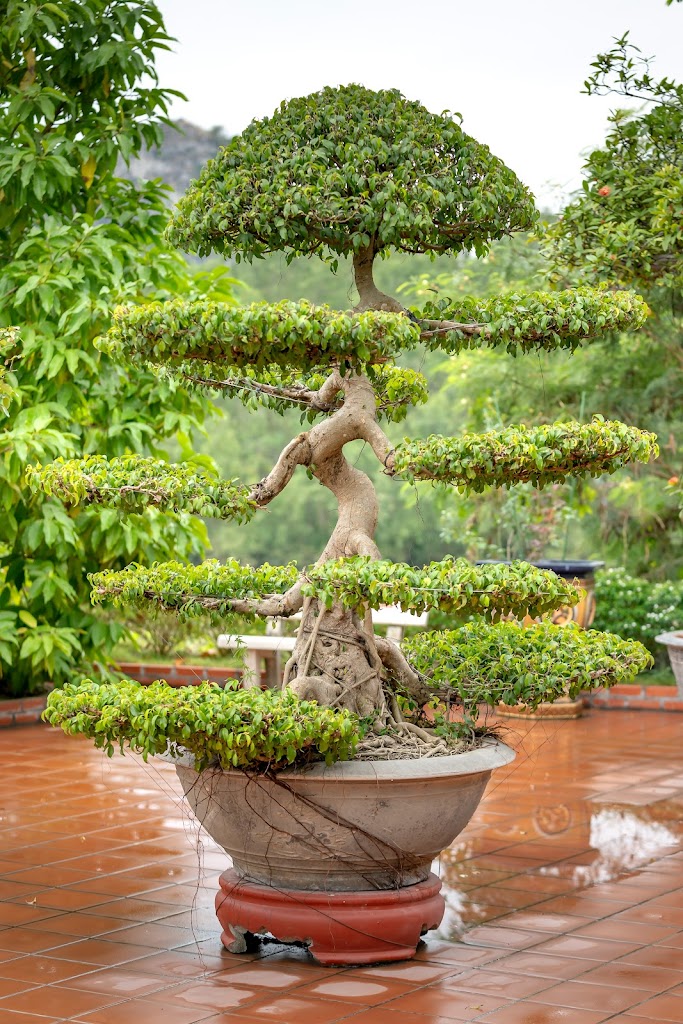
Pruning bonsai trees offers numerous benefits. Firstly, it stimulates new growth, resulting in denser foliage and a more compact tree structure. This creates the illusion of a mature tree in miniature form. Secondly, pruning helps to maintain the health of the bonsai tree by removing diseased or damaged branches, allowing the tree to allocate resources to healthy growth. Additionally, pruning enables the bonsai enthusiast to manipulate the tree’s shape and style, making it a truly personalized work of art.
Pruning also plays a crucial role in maintaining the overall balance and harmony of the bonsai tree. By carefully removing excess foliage, the bonsai artist can create a sense of proportion and symmetry, which is essential for achieving a visually pleasing composition.
Bonsai Tree Pruning Tools and Equipment
To effectively prune bonsai trees, you need the right tools and equipment. Here are some essential tools every bonsai enthusiast should have:
-
Pruning Shears: These are used to remove small branches and foliage. Choose a pair with sharp blades to ensure clean cuts without causing damage to the tree.
-
Concave Cutters: These specialized tools are used to remove larger branches. The concave shape of the blades helps the wound heal more smoothly, reducing the risk of infection.
-
Root Pruning Shears: These shears are designed to trim the roots of the bonsai tree. They have sharp blades that can cut through thick roots with ease.
-
Jin Pliers: Jin pliers are used to create deadwood features on the bonsai tree. They can be used to strip bark and create unique textures on the trunk and branches.
-
Wire Cutters: These tools are essential for the wiring process. They allow you to cut wires without damaging the bonsai tree.
Investing in high-quality tools will not only make your pruning tasks easier but also ensure the longevity of your tools, saving you money in the long run.
Techniques for Pruning Bonsai Trees
Pruning bonsai trees requires precision and skill. Here are some techniques to help you achieve the desired shape and style for your bonsai tree:
-
Branch Pruning: To maintain the desired shape and size of the bonsai tree, it is important to remove unwanted branches. Start by identifying the branches that do not contribute to the overall design and carefully remove them using pruning shears or concave cutters. Make clean cuts at a slight angle to promote healing.
-
Leaf Pruning: Leaf pruning involves selectively removing leaves to reduce the overall size and density of the foliage. This technique is particularly useful for maintaining the miniature appearance of the bonsai tree. Use sharp scissors or pruning shears to carefully remove excess leaves, leaving behind a balanced distribution of foliage.
-
Root Pruning: As the bonsai tree grows, its roots also need to be pruned to prevent them from becoming too long and dense. In general, root pruning should be done every two to three years. Carefully remove the tree from its pot and trim the roots using root pruning shears. Be sure to remove any damaged or rotting roots, and re-pot the bonsai tree in fresh soil.
-
Wiring: Wiring is a technique used to shape and position the branches of the bonsai tree. It involves wrapping a thin wire around the branches and gently bending them into the desired position. Be careful not to wire too tightly, as it can damage the branches. Remove the wire after a few months to prevent it from cutting into the tree.
Common Mistakes to Avoid When Pruning Bonsai Trees
Pruning bonsai trees requires careful attention to detail. Here are some common mistakes to avoid:
-
Over-pruning: It is important to strike a balance between shaping the bonsai tree and maintaining its overall health. Over-pruning can weaken the tree and hinder its growth. Only remove branches and foliage that are necessary for the desired design.
-
Improper Tools: Using the wrong tools can cause damage to the bonsai tree. Ensure you have the right tools for the job and keep them clean and sharp.
-
Neglecting Aftercare: After pruning, it is important to provide proper aftercare to ensure the tree’s health and recovery. This includes watering, fertilizing, and protecting the bonsai tree from extreme weather conditions.
-
Lack of Patience: Bonsai tree pruning is a gradual process that requires patience and attention to detail. Rushing the pruning process can lead to mistakes and unsatisfactory results. Take your time and carefully evaluate each cut before proceeding.
Pruning Schedules for Different Types of Bonsai Trees
Different types of bonsai trees have different growth patterns and pruning requirements. Here are some general guidelines for pruning schedules:
-
Deciduous Trees: Deciduous bonsai trees, such as maples and elms, should be pruned during the dormant season, which is typically in late winter or early spring. This allows the tree to recover quickly and promotes new growth.
-
Evergreen Trees: Evergreen bonsai trees, such as pines and junipers, can be pruned throughout the year. However, it is best to avoid pruning during extreme weather conditions, as this can stress the tree.
-
Flowering Trees: Flowering bonsai trees, such as cherry blossoms and azaleas, should be pruned immediately after flowering. This allows the tree to produce new growth and prepare for the next flowering season.
Remember, these are general guidelines, and it is important to research the specific pruning requirements of your bonsai tree species.
Advanced Pruning Techniques for Experienced Bonsai Enthusiasts
For experienced bonsai enthusiasts looking to take their pruning skills to the next level, here are some advanced techniques to explore:
-
Jin and Shari: Jin and Shari are techniques used to create deadwood features on the bonsai tree. Jin involves stripping the bark from a branch or trunk to create a weathered appearance, while Shari involves creating a vertical strip of deadwood along the trunk. These techniques add character and visual interest to the bonsai tree.
-
Bending Techniques: Advanced pruning techniques also include bending branches to create unique shapes and styles. This requires careful wiring and gradual bending to avoid damaging the branches. Experiment with different bending techniques to create your own unique bonsai designs.
-
Grafting: Grafting is a technique used to combine different tree species or varieties onto a single bonsai tree. This allows you to create interesting combinations of foliage, flowers, and bark textures. Grafting requires advanced knowledge and skill, so it is recommended for experienced bonsai enthusiasts.
Bonsai Tree Pruning Tips for Beginners
If you are new to the world of bonsai tree pruning, here are some tips to help you get started:
-
Start with Easy-to-Grow Species: Choose bonsai tree species that are known for their resilience and ability to withstand pruning. Some beginner-friendly species include junipers, ficus, and Chinese elms. These species are forgiving and can tolerate beginner mistakes.
-
Research and Learn: Before pruning your bonsai tree, research the specific pruning requirements of your chosen species. Each species has different growth patterns and pruning techniques. Understanding these requirements will help you achieve better results.
-
Take It Slow: Pruning is a gradual process. Start by removing small branches and foliage before moving on to larger cuts. Take your time and evaluate each cut before proceeding.
-
Seek Guidance: Joining a bonsai club or seeking guidance from experienced bonsai enthusiasts can greatly help in learning the art of bonsai tree pruning. They can provide valuable insights, tips, and techniques to help you improve your pruning skills.
Conclusion: The Importance of Regular Pruning for Healthy Bonsai Trees
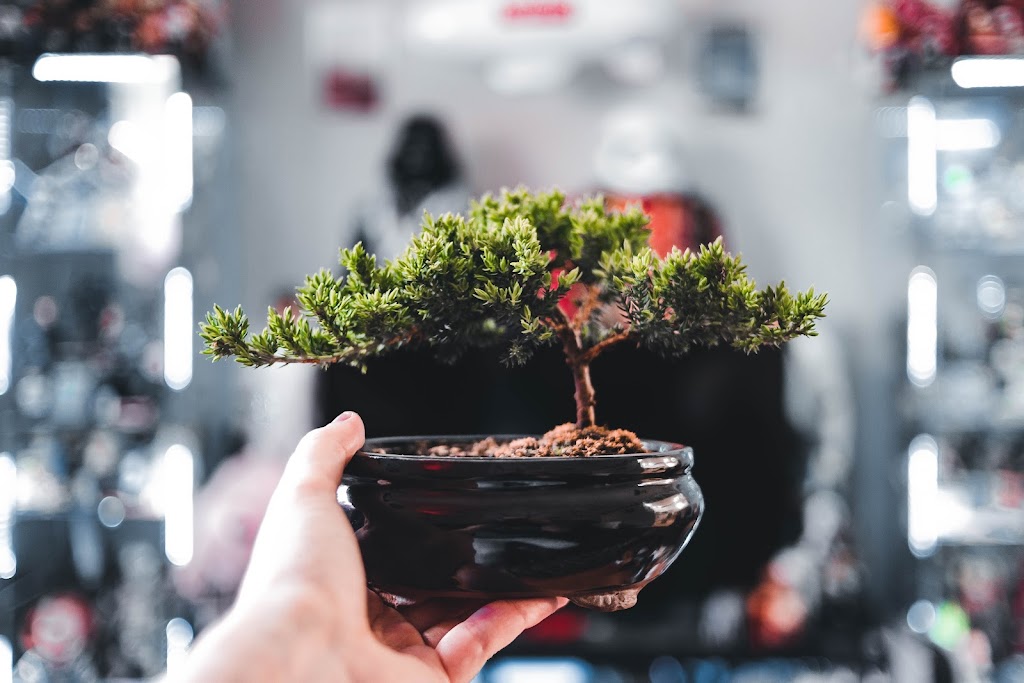
In conclusion, bonsai tree pruning is an essential aspect of bonsai tree care. It not only helps maintain the desired shape and style of the tree but also promotes its health and vitality. Pruning stimulates new growth, enhances the overall appearance, and creates a sense of balance and harmony.
By understanding the art of bonsai tree pruning and employing the right techniques and tools, you can unlock the secrets of this ancient art form. Whether you are a beginner or an experienced bonsai enthusiast, regular pruning is crucial for the longevity and beauty of your bonsai trees.
So, grab your pruning tools, take your time, and let your creativity flourish as you shape and prune your bonsai trees to perfection.
Read More :- Mastering the Art of Bonsai Tree Care
FAQ ( Frequently Asked Questions )
Question 1 :- How can I master the art of bonsai tree pruning using expert tips and techniques?
Answer :- To master the art of bonsai tree pruning, follow these expert tips: 1) Learn proper cutting angles and techniques, 2) Understand the tree’s growth patterns, 3) Practice regularly on different bonsai species, and 4) Seek guidance from experienced bonsai enthusiasts or professionals. Consistent application of these techniques will enhance your pruning skills and help you create stunning bonsai designs.
Question 2 :- What are the secrets to successful bonsai tree pruning that experts recommend?
Answer :- The secrets to successful bonsai tree pruning, as recommended by experts, involve precision, timing, and understanding the tree’s growth patterns. Properly using sharp and appropriate pruning tools is essential to make clean cuts without damaging the tree. Timing plays a crucial role, with different species requiring specific pruning schedules for optimal results. Understanding the tree’s growth habits allows experts to selectively prune branches, encouraging desired aesthetics and promoting overall health. Consistent and careful pruning, combined with attentive aftercare, helps unlock the true potential of a stunning bonsai masterpiece.
Question 3 :- How do expert techniques for bonsai tree pruning contribute to its overall health and aesthetics?
Answer :- Expert techniques for bonsai tree pruning play a crucial role in enhancing both the overall health and aesthetics of the tree. Pruning allows experts to remove dead or diseased branches, promoting better air circulation and sunlight penetration. This results in improved health and vigor of the tree. Additionally, precise pruning helps shape the bonsai’s form, encouraging a balanced and harmonious design. By selectively trimming and directing growth, experts can achieve a more aesthetically pleasing appearance, creating a stunning miniature masterpiece that captivates the eye.
Question 4 :- What are the essential tips for beginners to learn bonsai tree pruning effectively?
Answer :- For beginners learning bonsai tree pruning, follow these essential tips:Start with sharp and clean pruning tools to make precise cuts and reduce the risk of damage.
Understand the growth patterns of your bonsai tree species to identify the right branches to prune.
Begin with minor pruning to maintain the tree’s health and shape gradually.
Focus on removing dead, diseased, or crossing branches to enhance airflow and sunlight penetration.
Utilize proper techniques like “clip and grow” or “pinch and prune” to shape and control growth.
Observe the tree’s response to pruning and adjust your approach accordingly.
Avoid over-pruning to maintain a balance between foliage and roots.
Regularly check the bonsai’s soil moisture and health after pruning to ensure quick recovery.
Seek guidance from experienced bonsai enthusiasts or take a bonsai pruning workshop to improve your skills.
Patience is key; bonsai pruning is an ongoing process that requires time and dedication to master
Question 5 :- Which specific tools are recommended by experts for precise bonsai tree pruning?
Answer :- Experts recommend using a set of specialized bonsai pruning tools to ensure precision and care. These tools typically include concave cutters for clean cuts, knob cutters for removing larger branches, pruning shears for delicate trimming, and wire cutters to handle shaping wires. These specific tools help maintain the health and aesthetics of your bonsai tree, allowing you to achieve the desired results with accuracy and finesse.
Question 6 :- How often should I prune my bonsai tree, and what are the best times of the year to do it?
Answer :- The frequency of pruning your bonsai tree depends on its growth and the desired shape. Typically, for most species, pruning is done 2-4 times a year. The best times are during the tree’s dormant period in late winter or early spring before new growth starts and in late summer after the new growth has matured. This allows the tree to recover and thrive, promoting its overall health and aesthetics. Always adjust the pruning schedule based on the specific needs of your bonsai tree species.
Question 7 :- Can you explain the different pruning styles used by experts in bonsai tree cultivation?
Answer :- Certainly! In bonsai tree cultivation, experts use various pruning styles to shape and design these miniature masterpieces. Some common pruning styles include:
Chop-and-Clip: This style involves cutting the main branches and allowing new shoots to emerge, creating a more natural and rugged appearance.
Broom Style: The tree is pruned to form a symmetrical, ball-shaped canopy resembling a broom, with branches extending outward in all directions.
Informal Upright: The tree’s main trunk grows upright, but the branches are allowed to grow in a more natural, irregular pattern, mimicking the shape of mature trees in nature.
Formal Upright: Here, the tree is pruned and trained to have a straight, upright trunk with branches gradually decreasing in size from the bottom to the top.
Cascade Style: In this style, the tree cascades downward over the edge of the container, creating a sense of motion and flow.
Windswept Style: The branches of the tree are pruned asymmetrically to give the impression of a tree shaped by strong winds in one direction.
Slant Style: The tree is trained to grow at an angle, typically around 45 degrees, providing a sense of stability and movement.
Literati Style: This style features a tall, slender tree with sparse foliage, evoking a sense of age, elegance, and minimalism.
Group Planting: Multiple trees are planted together in one container, creating a harmonious composition with intertwined roots and branches.
Multi-Trunk Style: In this style, the bonsai features several trunks emerging from the same root system, giving the impression of a small tree grove.
Answer :- During bonsai tree pruning, potential risks and mistakes to avoid include over-pruning, which can weaken the tree, improper cuts that may lead to infections, neglecting to use clean and sharp tools, and disregarding the tree’s natural growth pattern. It is essential to exercise caution, follow proper techniques, and avoid aggressive pruning to maintain the tree’s health and beauty. Regularly inspect the tree for signs of stress or disease to address any issues promptly.
Question 9 :- How does proper pruning contribute to shaping the overall form and design of bonsai trees?
Answer :- Proper pruning plays a crucial role in shaping the overall form and design of bonsai trees. It helps maintain the tree’s desired size, balance, and aesthetics by removing excess growth, encouraging branching, and directing the growth in specific directions. By selectively trimming branches and foliage, bonsai artists can achieve the desired shape, create an illusion of age and maturity, and highlight the tree’s unique features. This meticulous process allows enthusiasts to craft exquisite miniature landscapes, capturing the essence of nature in their bonsai creations.
Question 10 :- Are there specific techniques for pruning different types of bonsai trees, and if so, what are they?
Answer :- Yes, there are specific techniques for pruning different types of bonsai trees. Some common techniques include “pinching” to remove tender growth, “hard pruning” to reduce the size of branches, “clip and grow” to encourage new growth, and “wiring” to shape branches into desired forms. Each bonsai species may require tailored pruning approaches to achieve their unique aesthetic and growth patterns.