




Mastering the Art of Bonsai Tree Care: Tips and Tricks for Success
As a lover of nature and the beauty it provides, I find myself drawn to bonsai trees. These tiny trees are a unique and beautiful way to bring nature indoors and enhance any living space. However, taking care of a bonsai tree can be challenging. It requires patience, knowledge, and skill to master the art of bonsai tree care. In this article, I will share with you tips and tricks for success in caring for your bonsai tree.
Introduction to Bonsai Tree Care
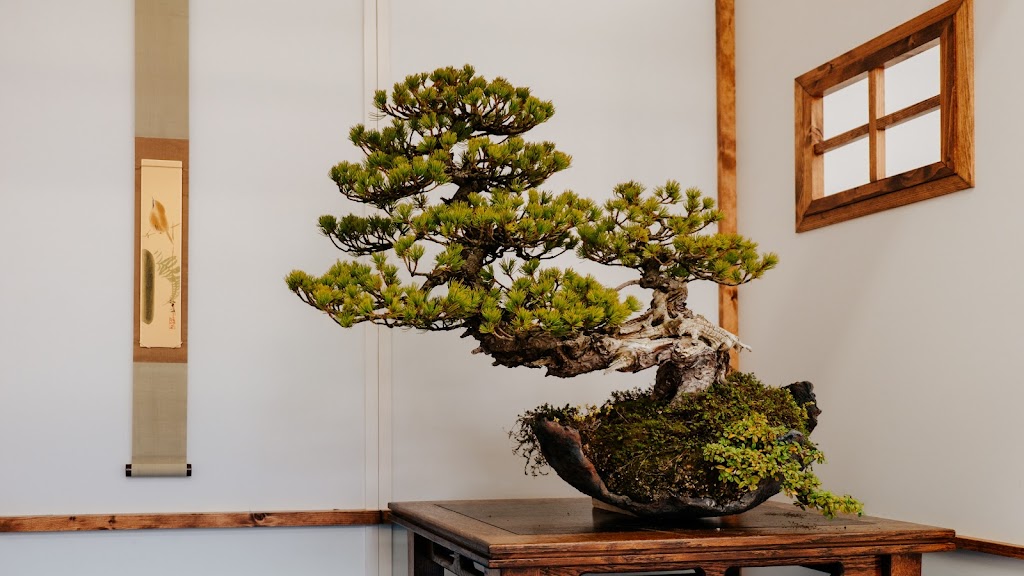
Bonsai trees are a form of art that originated in Japan more than a thousand years ago. They are small trees that are grown in containers and trained to look like miniature versions of their full-sized counterparts. The word bonsai is a combination of two Japanese words, “bon” meaning tray and “sai” meaning plant. Bonsai trees are not just beautiful, they also have a deep spiritual meaning in Japanese culture. They are a symbol of harmony, balance, and peace.
Caring for a bonsai tree is not just about watering and pruning. It is an art form that requires patience, attention to detail, and a deep understanding of the tree’s growth process. Understanding the history of bonsai trees and the different types available is crucial to mastering the art of bonsai tree care.
History of Bonsai Trees
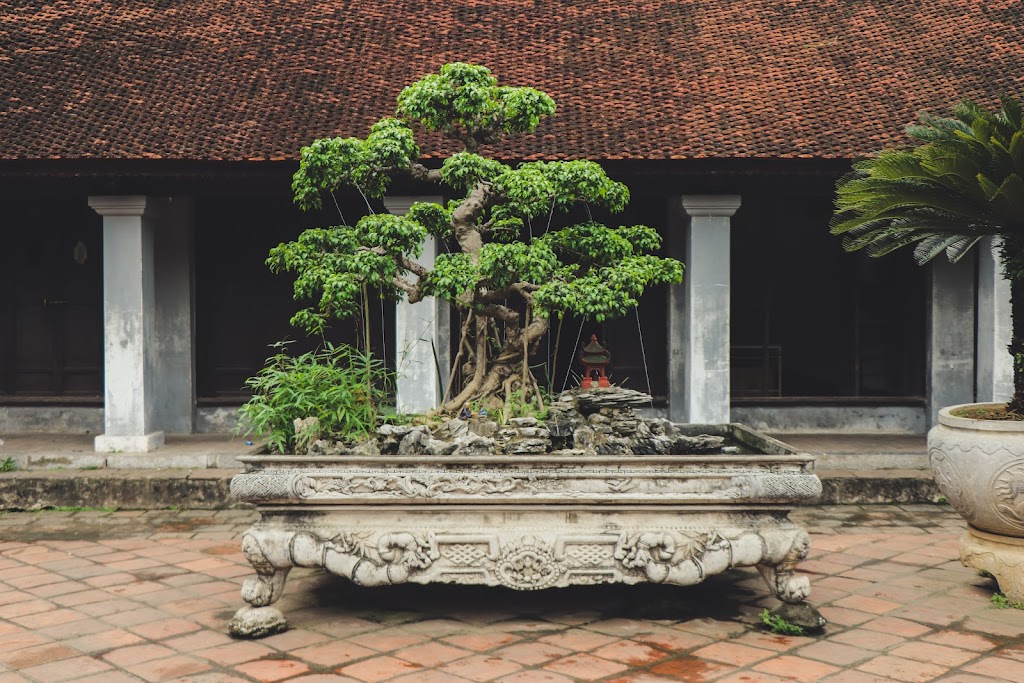
Bonsai trees have a rich history that dates back more than a thousand years. They originated in China but were later adopted by the Japanese, who developed the art form into what it is today. The Japanese refined the art of bonsai tree care and turned it into a form of spiritual practice. Bonsai trees were used as a way to connect with nature and achieve inner peace.
Today, bonsai trees are popular all over the world. They are admired for their beauty and the skill required to care for them. Many people find peace and relaxation in caring for their bonsai trees. Understanding the history of bonsai trees is essential to appreciating the art form and mastering bonsai tree care.
Different Types of Bonsai Trees
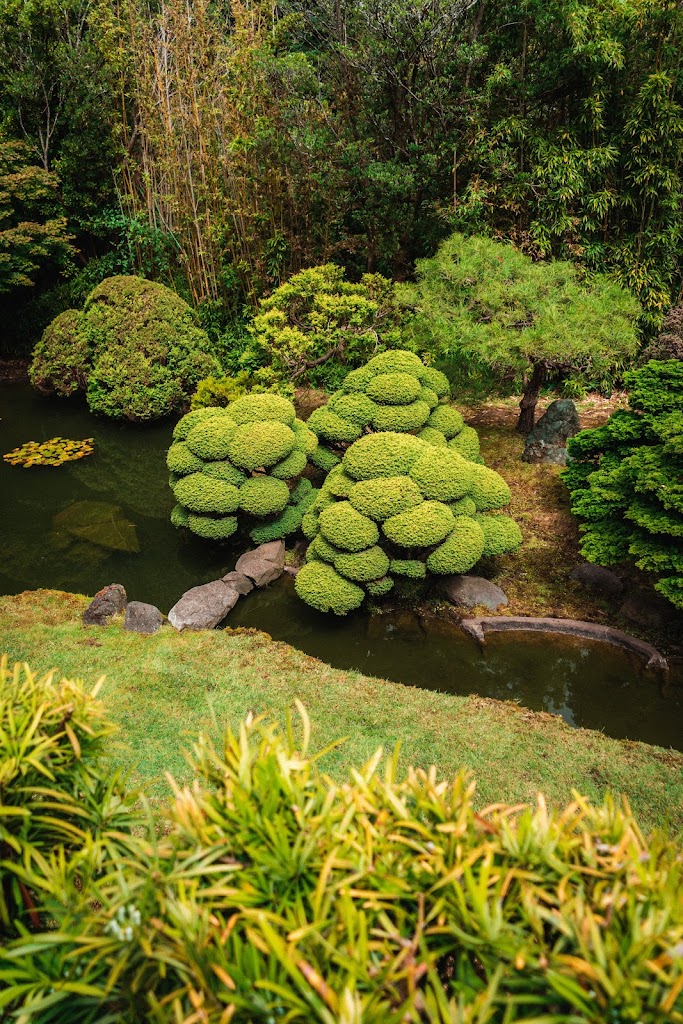
Bonsai trees come in many different shapes, sizes, and styles. There are several different types of bonsai trees, each with its own unique characteristics. Some of the most popular types of bonsai trees include:
- Juniper Bonsai Tree
- Ficus Bonsai Tree
- Chinese Elm Bonsai Tree
- Japanese Maple Bonsai Tree
- Pine Bonsai Tree
Each type of bonsai tree requires different care and maintenance. It is important to research the specific needs of your bonsai tree to ensure its health and longevity.
Understanding the Bonsai Tree’s Growth Process
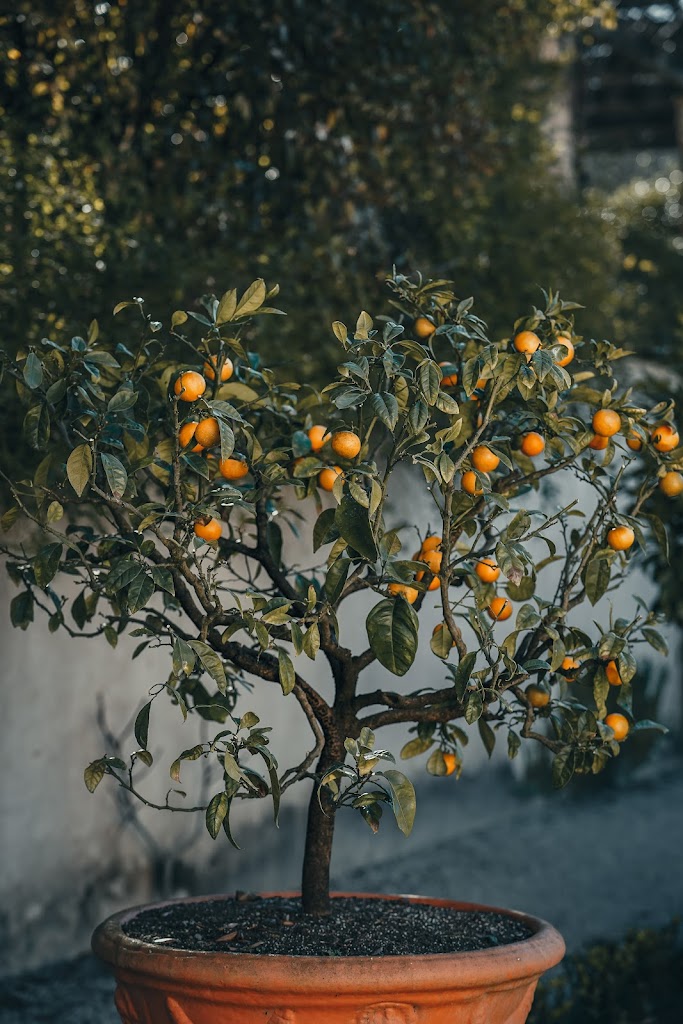
To master the art of bonsai tree care, it is essential to understand the growth process of the tree. Bonsai trees grow differently than regular trees, and they require special care to keep them healthy and looking their best. A bonsai tree’s growth process can be broken down into several stages:
- Germination
- Seedling
- Pre-Bonsai
- Bonsai
- Maturity
Each stage requires different care and maintenance. Understanding the growth process of your bonsai tree is crucial to providing the best care possible.
Bonsai Tree Care Techniques and Tips
Caring for a bonsai tree requires a combination of techniques and tips. These techniques and tips are essential to the health and longevity of your bonsai tree. Some of the most important bonsai tree care techniques and tips include:
Watering and Fertilizing Your Bonsai Tree
Watering and fertilizing your bonsai tree are two of the most important aspects of bonsai tree care. Bonsai trees require regular watering, but it is essential not to overwater them. Overwatering can lead to root rot and other problems. Fertilizing your bonsai tree is also important to provide it with the nutrients it needs to thrive.
Pruning and Shaping Your Bonsai Tree
Pruning and shaping your bonsai tree are essential to maintaining its shape and size. It is important to prune your bonsai tree regularly to remove dead or diseased branches and to shape it to your desired size and shape.
Transplanting Your Bonsai Tree
Transplanting your bonsai tree is necessary to prevent it from becoming root-bound. Root-bound trees can become stressed and may not grow as well as they should. Transplanting your bonsai tree allows its roots to spread out and take in more nutrients.
Common Bonsai Tree Problems and Solutions
Despite your best efforts, your bonsai tree may encounter problems from time to time. It is essential to know how to identify these problems and how to solve them. Some of the most common bonsai tree problems include:
- Overwatering
- Underwatering
- Fungal Infections
- Insect Infestations
- Root Rot
Knowing how to identify and solve these problems is essential to keeping your bonsai tree healthy and thriving.
Bonsai Tree Care Tools You Need
Caring for a bonsai tree requires specific tools to ensure its health and longevity. These tools are essential to bonsai tree care and maintenance. Some of the most important bonsai tree care tools include:
- Pruning Shears
- Wire Cutters
- Root Hooks
- Bonsai Soil
- Watering Can
Having the right tools on hand is essential to providing the best care possible for your bonsai tree.
Bonsai Tree Care Resources and Communities
Mastering the art of bonsai tree care requires knowledge, practice, and patience. There are many resources and communities available to help you learn more about bonsai tree care. These resources and communities can provide valuable information and support as you work to care for your bonsai tree.
Conclusion
Mastering the art of bonsai tree care is a rewarding and fulfilling experience. It requires patience, knowledge, and skill to care for these beautiful trees. Understanding the history of bonsai trees, the different types available, and the growth process of your specific tree is essential to providing the best care possible. By following the tips and techniques outlined in this article, you can ensure the health and longevity of your bonsai tree and enjoy its beauty for years to come.
Read More :- Save Environment for Future Generations
FAQ ( Frequently Asked Questions )
Question 1 :- What are some essential tips for successful bonsai tree care?
Answer :- To ensure successful bonsai tree care, there are several essential tips to keep in mind. Firstly, proper watering is crucial. Bonsai trees should be watered regularly, allowing the soil to partially dry out between waterings. Additionally, it’s important to provide the right balance of sunlight and shade for your bonsai tree, as different species have varying light requirements. Pruning is another vital aspect of care, as it helps maintain the desired shape and size of the tree while promoting healthy growth. Furthermore, selecting the appropriate soil and using quality fertilizers tailored to bonsai trees is essential for providing necessary nutrients. Regularly inspecting your bonsai tree for pests or diseases and taking prompt action if any issues arise is crucial for its overall health. Finally, understanding the specific care requirements of your bonsai tree species and providing it with a suitable environment, including the right temperature and humidity levels, will greatly contribute to its success. By following these essential tips, you can master the art of bonsai tree care and ensure the long-term health and beauty of your prized bonsai specimens.
Question 2 :- How can I master the art of bonsai tree care?
Answer :- To master the art of bonsai tree care, it is important to follow a few key steps. First, educate yourself about the specific needs of different bonsai tree species, as care requirements can vary. Invest time in learning about proper watering techniques, pruning methods, and soil composition. Additionally, joining bonsai clubs or attending workshops can provide valuable guidance and hands-on experience.
Practicing patience is crucial, as bonsai tree care requires a long-term commitment. Regularly monitoring the health of your tree, observing its growth patterns, and making adjustments accordingly will contribute to your mastery of this art form. Remember to consider factors such as lighting, temperature, and air circulation to create an ideal environment for your bonsai tree.
By continuously learning, seeking advice from experienced enthusiasts, and dedicating time and effort to nurturing your bonsai tree, you can gradually develop the skills and knowledge necessary to become a master of bonsai tree care.
Question 3 :- What are the key factors to consider when caring for bonsai trees?
Answer :- When caring for bonsai trees, there are several key factors to consider to ensure their health and vitality. First and foremost, proper watering is crucial. Bonsai trees have unique watering needs, and it’s important to strike a balance between under-watering and over-watering. Additionally, paying attention to the type of soil used is vital, as it should provide adequate drainage while retaining enough moisture. Pruning and shaping the bonsai tree is another essential factor, as it promotes proper growth and maintains its desired form. Furthermore, providing the bonsai tree with the right amount of sunlight is crucial for photosynthesis and overall health. Lastly, protecting the tree from pests and diseases is important, as they can quickly damage the delicate bonsai. By considering these key factors and implementing appropriate care practices, you can ensure the long-term success of your bonsai tree.
Question 4 :- What are some common mistakes to avoid in bonsai tree care?
Answer :- When it comes to bonsai tree care, avoiding common mistakes is crucial for maintaining the health and beauty of your miniature masterpiece. Here are some key mistakes to steer clear of:
Overwatering: One of the most common mistakes is giving your bonsai tree too much water. Overwatering can lead to root rot and suffocate the roots, ultimately causing the tree to wither. Ensure proper drainage and water your bonsai only when the soil feels slightly dry.
Underwatering: On the flip side, neglecting to water your bonsai adequately can also harm its vitality. Monitor the moisture level in the soil regularly and water accordingly, considering factors like climate, season, and species.
Improper pruning: Pruning is essential for shaping and maintaining the desired form of your bonsai. However, improper pruning can cause irreversible damage. Avoid excessive pruning or cutting too close to the trunk, as it can weaken the tree or introduce diseases.
Incorrect soil choice: Using the wrong type of soil is a mistake that can hinder your bonsai’s growth and health. Bonsai trees require well-draining soil with a balanced mix of organic and inorganic components. Avoid using regular garden soil, as it tends to retain too much water.
Inadequate light exposure: Bonsai trees need an appropriate amount of light to thrive. Placing your tree in a location with insufficient light or direct exposure to intense sunlight can hinder its growth. Find a suitable spot that provides filtered or indirect sunlight for optimal development.
Neglecting fertilizer: Bonsai trees are potted plants that benefit from regular fertilization. Failing to fertilize your bonsai can result in nutrient deficiencies and weak growth. Choose a specialized bonsai fertilizer and follow the recommended application guidelines for your specific tree species.
By avoiding these common mistakes in bonsai tree care, you can ensure the longevity and beauty of your miniature tree, creating a captivating display for years to come.
Question 5 :- How often should I water my bonsai tree and what is the best method?
Answer :- When it comes to watering your bonsai tree, the frequency and method depend on various factors. As a general guideline, you should check the soil moisture level regularly by using your finger or a moisture meter. Bonsai trees typically need watering when the top layer of soil feels slightly dry. However, it’s crucial to avoid overwatering, as it can lead to root rot and other issues.
The best watering method for bonsai trees is the immersion or soaking method. Place the bonsai pot in a basin or sink filled with water, allowing the water to absorb from the drainage holes until the soil is thoroughly moistened. Then, remove the pot from the water and let excess water drain away. This method ensures that the water reaches the roots and promotes healthy growth.
Remember, each bonsai tree species has unique water requirements, so it’s essential to research and understand the specific needs of your tree. Factors such as climate, humidity, and pot size also influence watering frequency. By observing and adjusting watering based on your bonsai tree’s individual needs, you can maintain its health and vitality.
Question 6 :- What are the recommended pruning techniques for bonsai tree care?
Answer :- The recommended pruning techniques for bonsai tree care include:Maintenance pruning: Regularly trimming and shaping the foliage to maintain the desired bonsai shape.
Structural pruning: Removing larger branches to enhance the tree’s overall structure and encourage balanced growth.
Pinching: Gently removing new growth with your fingers to promote branching and density.
Leaf pruning: Thinning out excessive foliage to allow light and air to reach inner branches and stimulate growth.
Root pruning: Trimming and pruning the roots periodically to maintain a healthy root system and prevent root-bound conditions. Remember to use clean and sharp tools, make precise cuts at appropriate angles, and always consider the tree’s species and growth pattern when pruning your bonsai.
Question 7 :- How can I prevent pests and diseases from affecting my bonsai tree?
Answer :- To prevent pests and diseases from affecting your bonsai tree, follow these tips:
Regularly inspect your bonsai tree: Check the leaves, branches, and trunk for any signs of pests or diseases. Early detection is key to preventing their spread.
Maintain good hygiene: Keep your bonsai tree clean and free from debris. Remove fallen leaves, deadwood, or any decaying matter that could attract pests or harbor diseases.
Provide proper ventilation: Ensure adequate air circulation around your bonsai tree. Good airflow helps prevent the buildup of moisture, which can encourage fungal infections.
Water wisely: Avoid overwatering your bonsai tree, as excessive moisture can create a favorable environment for pests and diseases. Water the tree at the base and avoid wetting the foliage unnecessarily.
Use pest control measures: Implement natural or organic pest control methods such as introducing beneficial insects or using insecticidal soaps. Avoid using harsh chemicals that can harm your bonsai tree and the environment.
Quarantine new plants: If you introduce new bonsai trees or plants to your collection, isolate them for a period to ensure they are free from pests or diseases before placing them near your existing trees.
Maintain proper nutrition: Keep your bonsai tree healthy and strong by providing balanced nutrition. Ensure it receives the appropriate fertilizers and nutrients to support its immune system and resistance to pests and diseases.
Seek professional advice: If you notice persistent pest or disease problems with your bonsai tree, consult with a horticulturist or bonsai expert who can provide specific guidance and treatments tailored to your tree’s needs.
By implementing these preventive measures, you can significantly reduce the risk of pests and diseases affecting your bonsai tree and enjoy a thriving and beautiful plant.
Question 8 :- What are the best types of soil and fertilizers for bonsai tree care?
Answer :- The best types of soil for bonsai tree care are well-draining and have a balanced mixture of organic and inorganic components. A common mix includes Akadama, pumice, and lava rock. Akadama provides excellent water retention while allowing proper airflow, pumice enhances drainage, and lava rock adds stability. As for fertilizers, a slow-release balanced fertilizer with a ratio like 10-10-10 or 14-14-14 is suitable for most bonsai trees. Organic fertilizers like fish emulsion or compost can also be used to supplement the soil nutrients. Remember to follow the specific fertilizer guidelines for your bonsai tree species to ensure optimal growth and health.