



Mastering the Art of Bonsai | A Comprehensive Guide to Bonsai Plants

Introduction
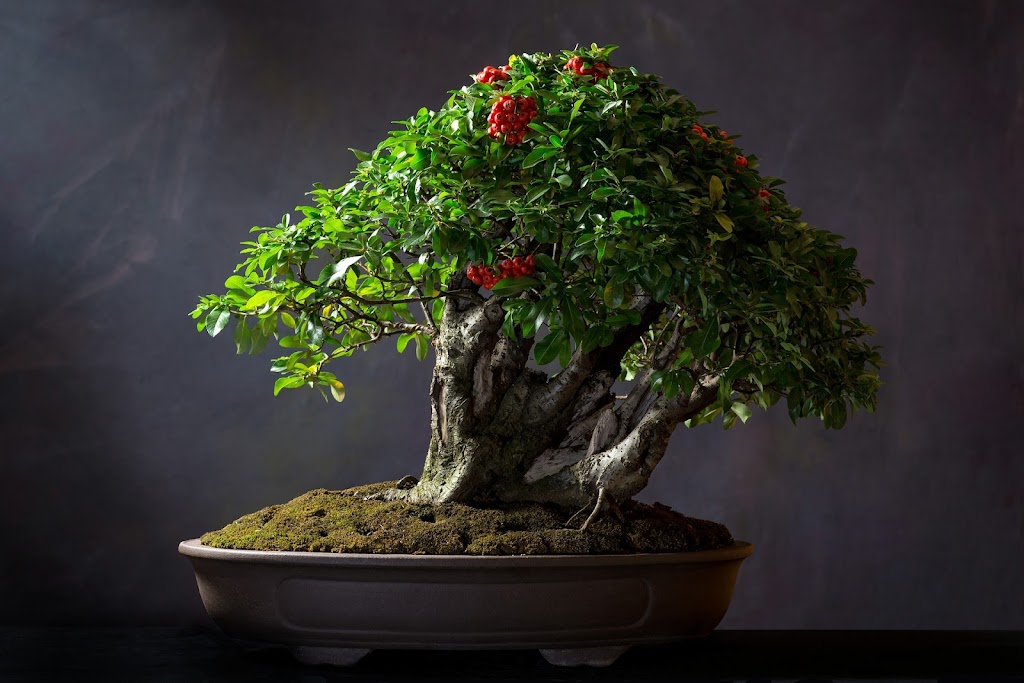
Bonsai, the ancient Japanese art of cultivating miniature trees, has fascinated nature lovers and garden enthusiasts for centuries. These captivating living sculptures bring nature’s grandeur into the palm of your hand, offering a sense of tranquility and harmony. In this comprehensive guide, we will delve into the world of bonsai plants, exploring their history, techniques, care, and the profound meditative experience they offer. By the end of this article, you’ll have all the knowledge you need to embark on your bonsai journey and ensure your content ranks on Google’s first page for bonsai enthusiasts and aspiring artists alike.
The History and Significance of Bonsai
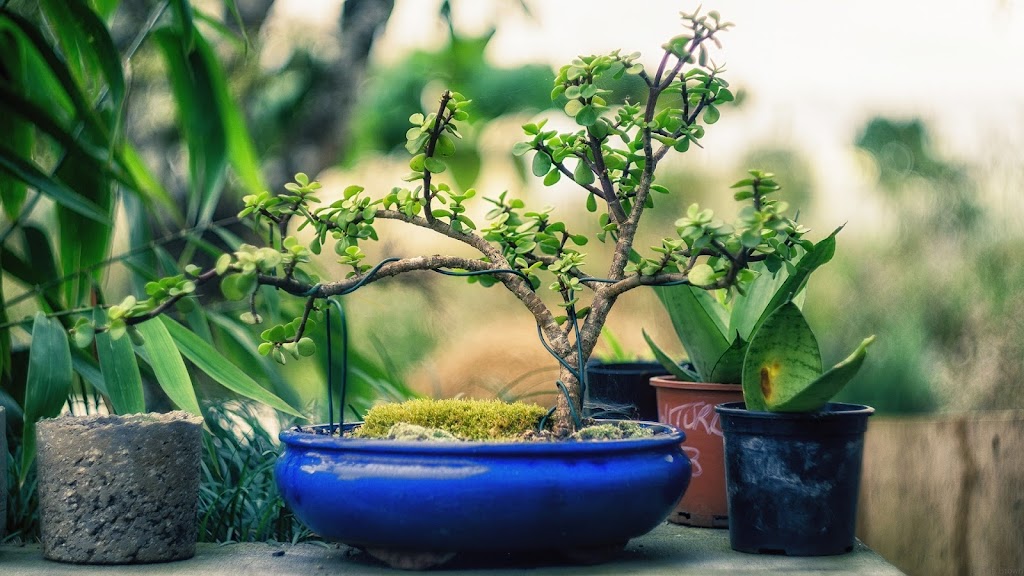
Bonsai, derived from the Japanese words “bon” (tray) and “sai” (plant), has its roots in ancient China, where the practice of cultivating miniature trees in containers dates back over a thousand years. It was later embraced by the Japanese, who elevated it into an art form that encapsulates the harmony between humans, nature, and the passage of time.
Bonsai isn’t merely a horticultural pursuit; it embodies profound cultural and philosophical meanings. The act of carefully taming nature into a confined space reflects themes of patience, balance, and the ever-changing cycle of life. Each bonsai tells a story, capturing a moment in the life of a tree, from its rugged, weathered appearance to its graceful, windswept branches.
Types of Bonsai Trees
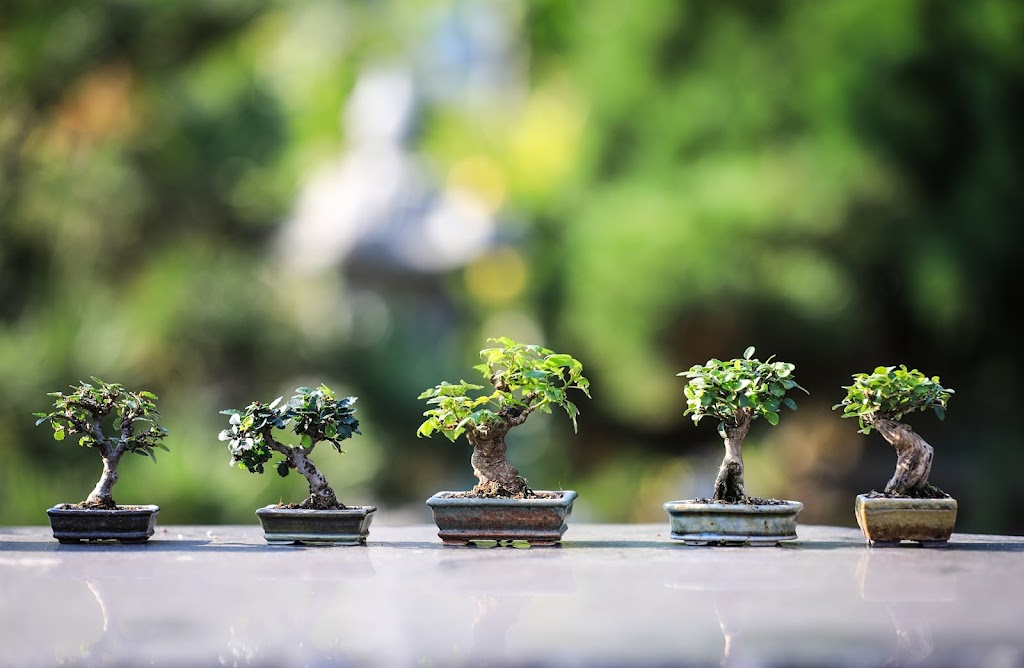
Bonsai enthusiasts can choose from a wide range of tree species to create their miniature masterpieces. Some popular options include:
- Ficus Bonsai: Known for its resilience and ease of care, the ficus bonsai is an excellent choice for beginners.
- Juniper Bonsai: With its striking, needle-like foliage, juniper bonsai trees exude a sense of age and wisdom.
- Pine Bonsai: These coniferous trees exude a majestic aura with their long, slender needles and rugged bark.
- Maple Bonsai: Maple bonsai trees are prized for their vibrant, seasonal foliage that transitions from green to fiery reds and oranges.
- Chinese Elm Bonsai: Chinese elms are renowned for their graceful, cascading branches and resistance to common bonsai diseases.
Caring for Bonsai Plants
Successfully nurturing bonsai plants requires a deep understanding of their unique needs. Here are essential care tips:
- Light: Bonsai trees typically require plenty of sunlight. Place them in a location with indirect sunlight for several hours each day, depending on the species.
- Watering: Monitor soil moisture carefully. Water the bonsai when the topsoil feels slightly dry but before it becomes completely parched. Ensure proper drainage to prevent root rot.
- Pruning: Regular pruning is essential to maintain the desired shape and size of the bonsai. Prune branches, leaves, and roots as needed.
- Repotting: Repot the bonsai every few years to refresh the soil, trim roots, and provide room for growth.
- Fertilization: Use specialized bonsai fertilizers to supply essential nutrients during the growing season. Adjust the frequency based on the tree’s needs.
- Wiring: Wiring helps guide branches into desired shapes. Use caution to avoid damaging the tree.
- Protection from Extreme Conditions: Shield bonsai from extreme heat, cold, and strong winds. Some species may benefit from winter protection.
The Art of Bonsai: Origins and Significance
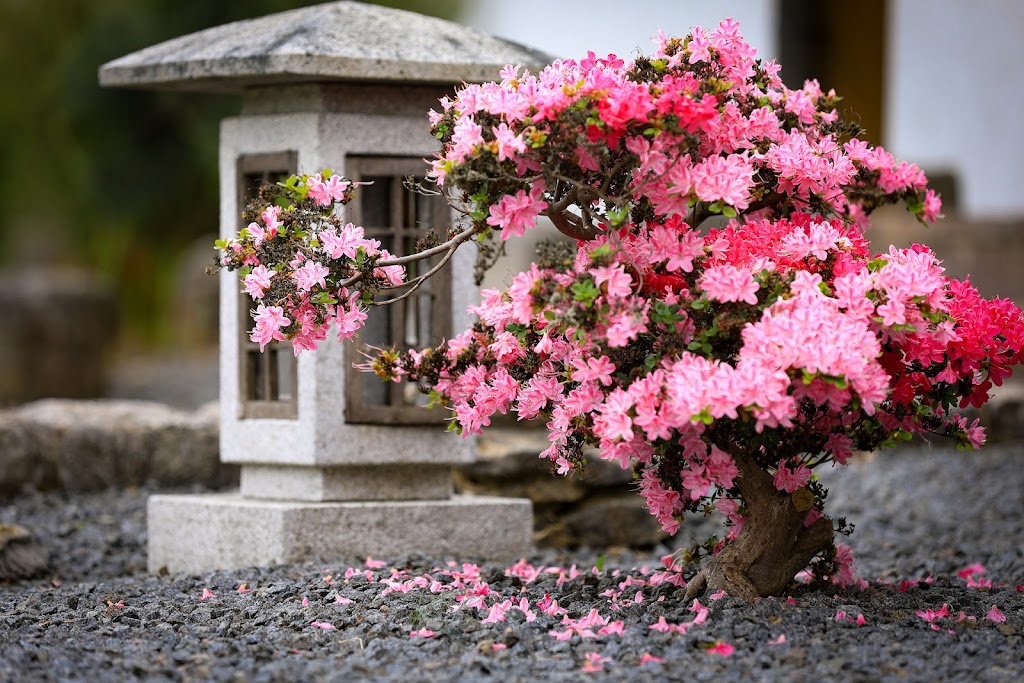
- Begin by tracing the origins of bonsai, its cultural significance in Japan, and how it has become a global passion.
- Highlight the symbolism associated with bonsai, such as balance, harmony, and the connection between humans and nature.
Bonsai Plant Varieties: From Junipers to Maples
- Explore the diverse world of bonsai trees, from evergreen junipers to delicate Japanese maples.
- Explain the characteristics that make each species suitable for bonsai cultivation.
Getting Started with Bonsai: Essential Tools and Materials
- Provide a detailed list of essential tools, pots, and soil mixtures needed for successful bonsai cultivation.
- Mention the importance of choosing the right container and tools to match your chosen tree species.
The Art of Shaping: Bonsai Pruning and Wiring
- Describe the intricate techniques of pruning and wiring, essential for shaping and training your bonsai tree.
- Offer tips for beginners on when and how to apply these techniques.
Bonsai Care: Sunlight, Watering, and Soil Maintenance
- Explain the importance of proper sunlight exposure, watering schedules, and soil maintenance for bonsai health.
- Provide guidance on seasonal adjustments to care routines.
The Meditative Journey of Bonsai
- Explore the meditative and therapeutic benefits of cultivating bonsai, emphasizing mindfulness and patience.
- Share personal stories or experiences that reflect the profound connection between bonsai and inner peace.
Common Challenges and Troubleshooting
- Address common issues and challenges that bonsai enthusiasts may encounter, such as pests, diseases, or over-pruning.
- Offer practical solutions and preventive measures.
Showcasing Your Bonsai: Displays and Exhibitions
- Discuss the art of displaying bonsai, including stands, accent plants, and the importance of aesthetics.
- Mention opportunities to showcase your creations in exhibitions or bonsai clubs.
The Bonsai Community: Learning and Growing Together
- Encourage readers to join bonsai communities, attend workshops, and share experiences with fellow enthusiasts.
- Highlight the value of continuous learning and collaboration.
Bonsai for All: Tips for Beginners and Beyond
- Offer a concise summary of key takeaways and encouragement for beginners to start their own bonsai journey.
- Mention resources for further exploration, such as books, online forums, and local clubs.
Conclusion
Bonsai plants are a living testament to the beauty of nature in miniature. This article has explored the rich history, significance, and care techniques for these exquisite living artworks. With patience, practice, and dedication, you can embark on a journey to create your own bonsai masterpiece, cultivating a connection to the artistry of bonsai and the profound insights it offers into the ever-evolving dance between humans and nature. Embrace the world of bonsai, and you’ll discover that it’s not just a hobby; it’s a lifelong passion that brings the serenity and beauty of nature into your home. Happy bonsai gardening!

FAQ ( Frequently Asked Questions )
Question :- 1. What is Bonsai, and How Does it Differ from Regular Trees?
Question :- 2. Can Anyone Learn Bonsai, or is it Only for Experts?
Answer :- Bonsai is a skill that anyone can learn, regardless of their gardening expertise. While experts may create intricate masterpieces, beginners can start with basic techniques and gradually progress, making it an accessible art form for all.
Question :- 3. What Types of Trees are Suitable for Bonsai?
Question :- 4. How Long Does it Take to Create a Beautiful Bonsai Tree?
Answer :- No, Bonsai trees don’t stay small forever. While they are dwarfed through careful pruning and shaping, they continue to grow, albeit slowly.
Question :- 6. What Tools and Supplies Do I Need to Get Started with Bonsai?
Answer :- To begin your bonsai journey, you’ll need essential tools like pruning shears, concave cutters, wire, a bonsai pot, well-draining soil, and patience.
Question :- 7. How Do I Prune and Shape My Bonsai Tree Without Harming it?
Question :- 8. What Are Some Common Mistakes to Avoid in Bonsai Care?
Question :- 9. Can Bonsai Trees Survive Indoors, or Do They Need Outdoor Conditions?
Question :- 10. Are Bonsai Trees Suitable for Small Living Spaces like Apartments?
Question :- 11. How Do I Prevent Pests and Diseases in My Bonsai Collection?
Question :- 12. What Are Some Advanced Bonsai Techniques for Experienced Enthusiasts?