



Creeper Plants: Nature’s Green Marvels for Your Garden | A Comprehensive Guide

Introduction
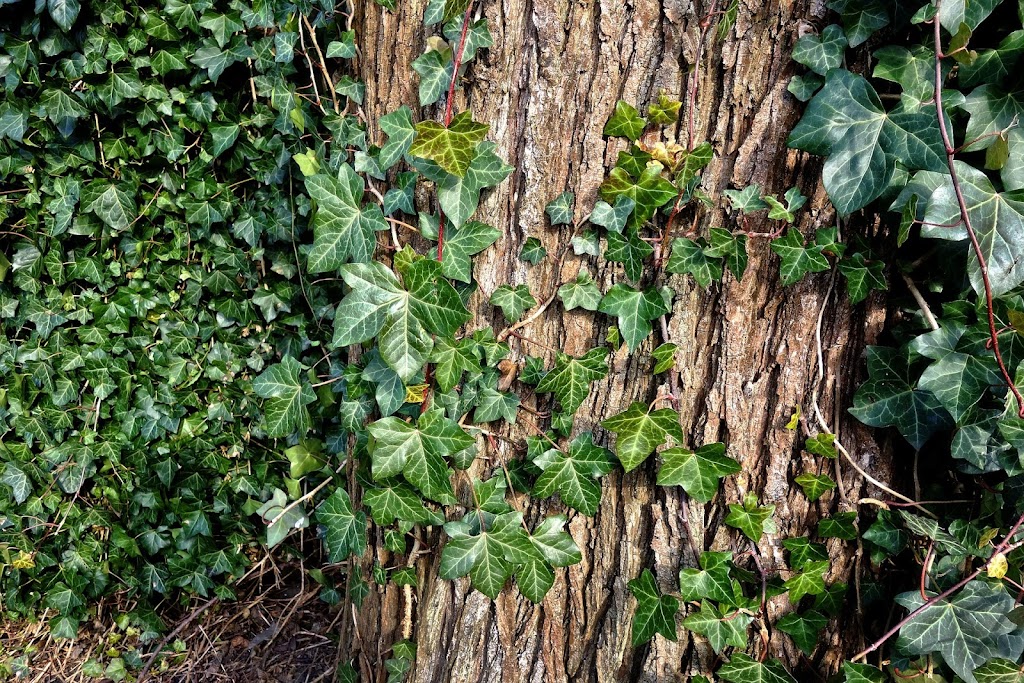
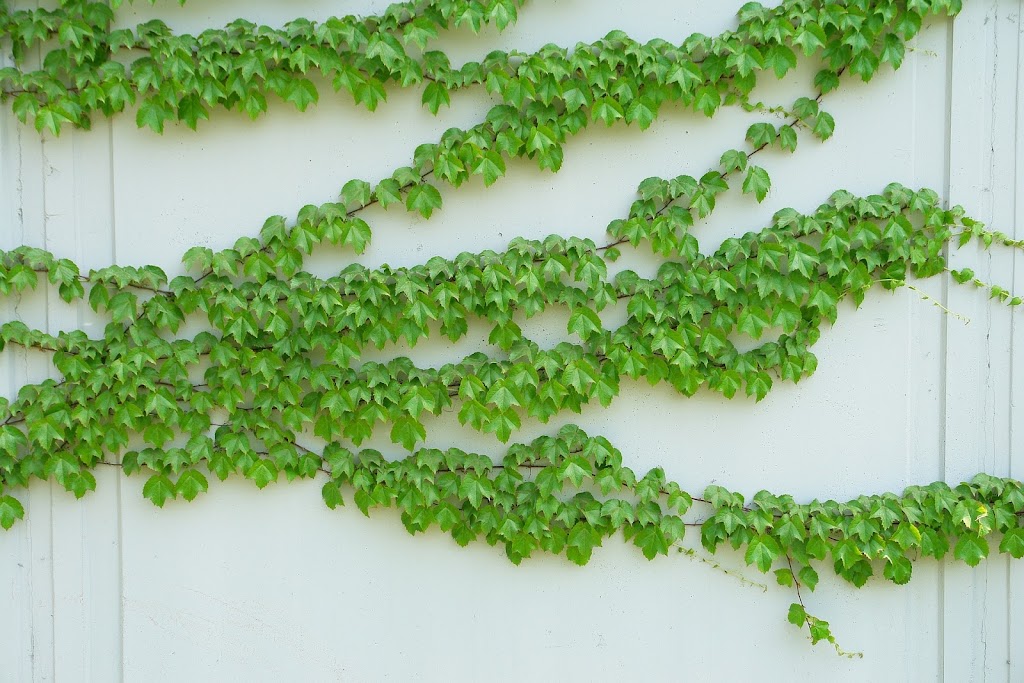
Creeper plants, also known as climbing plants or vines, have captivated gardeners and nature enthusiasts for generations. With their remarkable ability to scale walls, fences, and arbors, these botanical wonders offer both aesthetic and practical benefits to your garden. In this comprehensive guide, we will delve into the world of creeper plants, exploring their diverse varieties, cultivation tips, and the ecological advantages they bring.
Understanding Creeper Plants
Benefits of Creeper Plants
1. Aesthetic Appeal
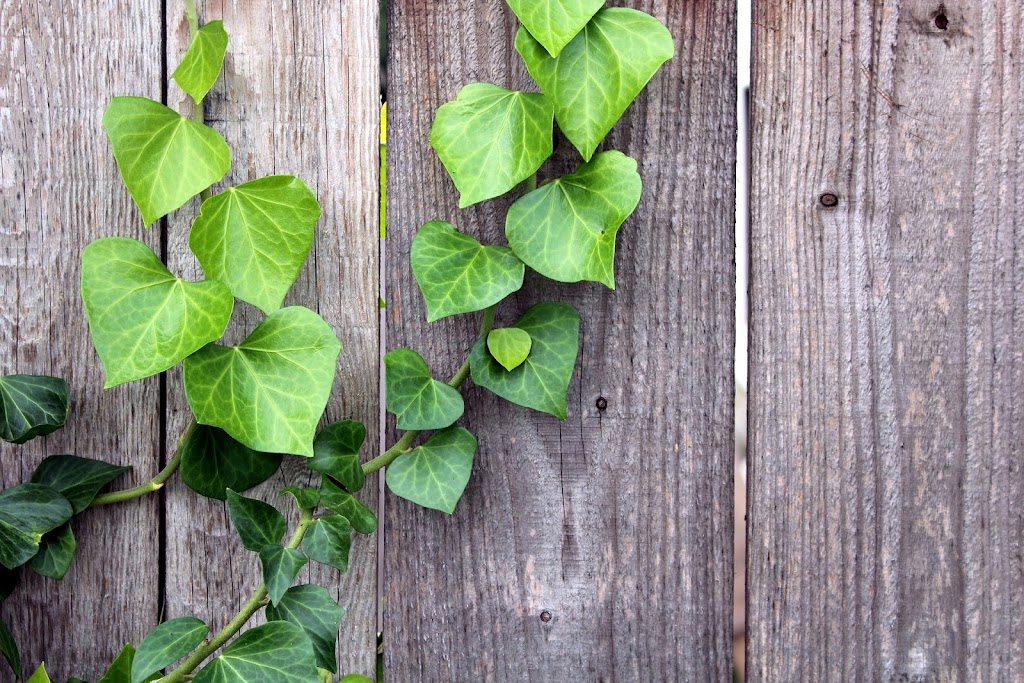
- Creeper plants instantly add a lush and vibrant touch to your garden, transforming dull surfaces into vibrant green canvases.
- The colorful blooms and foliage of many creeper plants create an ever-changing and visually stunning landscape.
2. Shade and Privacy
- Creeper plants serve as natural sunshades, reducing heat in your outdoor space during sweltering summers.
- They also offer an organic privacy screen, shielding your garden from prying eyes and creating a tranquil oasis.
3. Environmental Impact
- Creeper plants are environmentally beneficial, as they absorb carbon dioxide and release oxygen, promoting cleaner air in your vicinity.
- They play a vital role in controlling soil erosion, preventing landslides, and maintaining soil health.
Caring for Creeper Plants
1. Location
- Select the appropriate location based on your specific creeper plant’s requirements, considering factors like sunlight and shade preferences.
2. Soil
- Opt for well-draining soil enriched with organic matter to ensure healthy root development and adequate water retention.
3. Watering
- Maintain consistent moisture levels by watering deeply and regularly, especially during dry spells.
4. Pruning
- Regular pruning helps manage growth and shape, ensuring your creeper plant remains robust and visually appealing.
5. Support
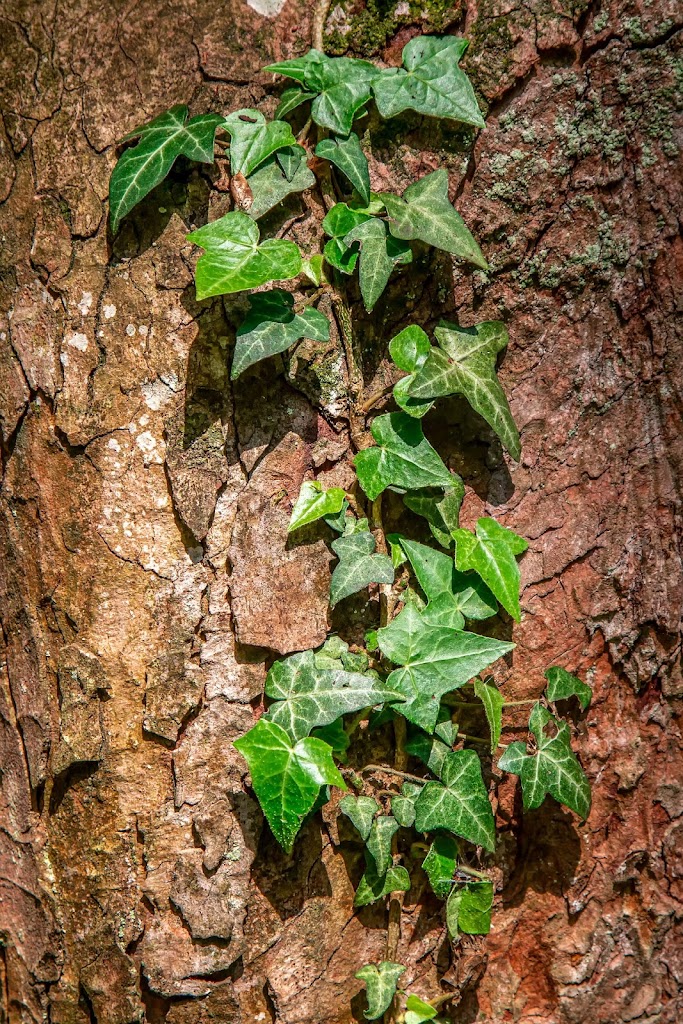
- Provide suitable structures or trellises for your creeper plants to climb, ensuring their stability and optimal growth.
Conclusion
Creeper plants, with their unparalleled ability to beautify and benefit your garden, are indeed nature’s green marvels. By following proper care guidelines. This comprehensive guide has equipped you with the knowledge needed to appreciate these botanical wonders and share their allure with the world. Embrace the magic of creeper plants and watch your article flourish like the vines it portrays. Happy gardening!
FAQ ( Frequently Asked Questions )
Question :- 1. What are Creeper Plants, and Why Are They Popular in Gardens?
Question :- 2. What Types of Creeper Plants are Suitable for My Garden?
Answer :- Various creeper plants can thrive in your garden, but the best choices depend on your specific conditions. Consider classic options like English ivy or clematis for versatility and aesthetic appeal. For sunny spots, go for trumpet vine or bougainvillea, while shade-loving options include climbing hydrangea or sweet autumn clematis. Tailor your choice to your garden’s sunlight, soil, and climate to ensure a thriving and beautiful addition.
Answer :- To ensure healthy growth of creeper plants, provide them with the right location and soil conditions. Choose a spot with appropriate sunlight, well-draining soil enriched with organic matter, and consistent moisture. Regular pruning, structural support, and protection from pests and diseases are also essential. Following these care tips will help your creeper plants thrive and flourish in your garden.
Question :- 5. What Are the Best Trellises or Supports for Creeper Plants?
1. Wire Trellis: Ideal for lightweight climbers like morning glories, providing a simple and sturdy structure.
2. Wooden Trellis: Adds a rustic charm, suitable for various creepers, and can be customized to fit your garden’s style.
3. Metal Arbors: Perfect for climbing roses and clematis, offering a decorative touch and structural support.
4. Climbing Frames: Great for training vines like grapes, creating a uniform growth pattern.
5. Pergolas: Provide both shade and support for larger creeper plants like wisteria, making a stunning garden feature.
Question :- 6. What Are Some Common Pests and Diseases That Affect Creeper Plants, and How Can I Prevent Them?
Answer :- Common pests and diseases that affect creeper plants include aphids, powdery mildew, and root rot. To prevent them:
- Aphids: Use a mild soap and water solution to wash them off or introduce natural predators like ladybugs.
- Powdery Mildew: Ensure good air circulation, avoid overhead watering, and apply fungicidal sprays if needed.
- Root Rot: Plant creeper plants in well-draining soil and avoid overwatering to prevent root rot.
Question :- 7. When and How Should I Prune My Creeper Plants?
Answer :- Yes, creeper plants can help reduce energy costs in your home. When strategically planted on exterior walls, they act as natural insulation, providing shade in the summer and reducing heat loss in the winter. This natural insulation can lead to lower heating and cooling bills, making creeper plants an Eco-friendly and cost-effective addition to your home.
Question :- 9. Do Creeper Plants Attract Wildlife to My Garden?
Question :- 10. Are There Any Poisonous Creeper Plants I Should Be Aware of?
Question :- 11. What Are Some Creative Landscaping Ideas Using Creeper Plants?